The Camden Fringe is almost upon us, providing one of the best times in the capital to get into Fringe theatre, and the stories it can tell. To get prepared for the festival, Read About Stuff is running a ‘Five From The Fringe’ interview series, where creative teams answer five questions about their upcoming Festival shows.
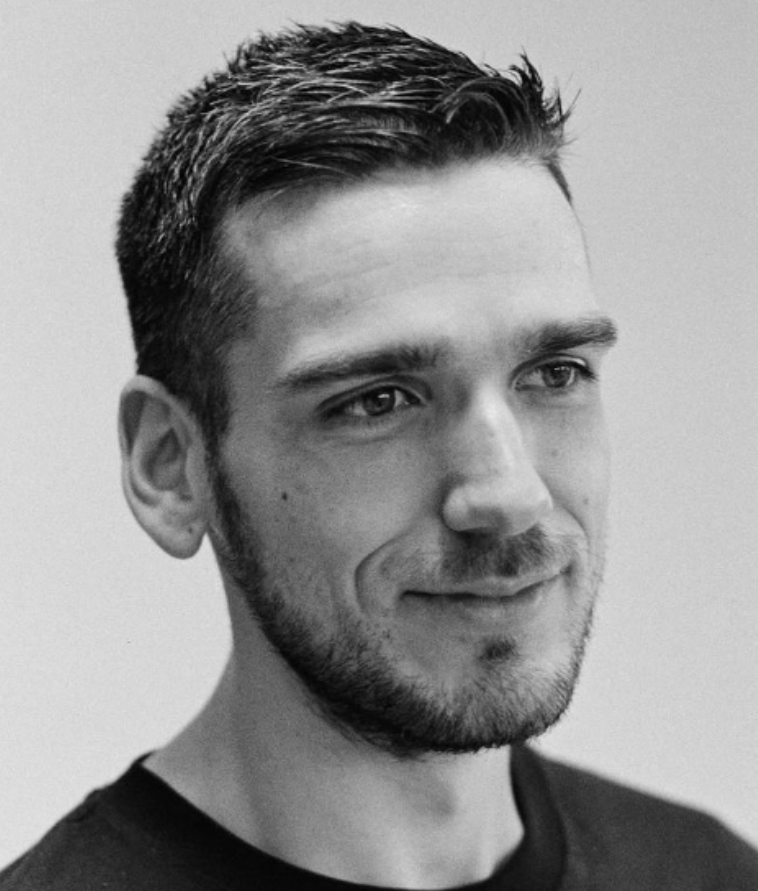
In this interview, I chat to Andrew Darren Elkins about their new show Sunrise For The Blind.
Can you tell me a little about your show and what audiences can expect?
Sunrise for the Blind isn’t a play about racism, poverty or politics in isolation. It’s a play about people, trying to live, survive and find some sense of hope whilst living in a place that quietly convinces them tomorrow will look exactly like yesterday.
Everything takes place on one neglected town square in North Manchester. Over the course of the play we watch friendships deepen, break, relationships form, prejudices harden and lives collide. As the play unfolds, some of the issues facing the UK today begin to emerge.
Audiences can expect humour, warmth, uncomfortable laughter, tenderness and (I hope) to leave discussing the people they’ve just met.
What drew you to this specific story, and why does it belong at the Camden Fringe?
’m interested in stories that ask difficult questions rather than provide comfortable answers. Theatre for me is incredibly political, however, there is a difference between telling people what they should think as opposed to making them think; I always strive for the later.
What drew me to the piece was its refusal to create heroes and villains. Every character believes they’re doing the right thing. That doesn’t excuse their actions, but it demands we understand them before we judge them. We spend a lot of time talking about division, extremism and communities breaking down, but far less time asking how ordinary people arrive or are forced into those places. This play has the courage to look underneath the headlines and examine the loneliness, fear, pride and lack of opportunity that can quietly shape a person’s worldview.
I was also drawn to the fact it’s unapologetically a northern story. Set in Manchester, it captures a community, a rhythm of life and a way of speaking that feels deeply authentic. We don’t tell enough stories from the North without reducing them to clichés (rightly or wrong) and I think it’s important that audiences see work rooted in those places with honesty, complexity and humanity.
Camden Fringe feels like exactly the right place for that conversation. Fringe theatre gives us permission to challenge audiences rather merely entertaining them; it allows work to be immediate, risky and human.
If people leave agreeing with each other, I’ve probably failed. If they leave talking, questioning themselves and debating the characters all the way home, then we’ve done our job.
What has been the biggest challenge in bringing this production to life?
The biggest challenge has been resisting simplicity. Every instinct tells us to decide who’s right and who’s wrong, but theatre becomes far more powerful when we refuse to do that. My responsibility in the rehearsal room has been to ask every actor to defend their character completely; let the audience judge them.
That means finding the humanity inside people whose behaviour we may fundamentally disagree with, whilst equally refusing to reduce the more sympathetic characters into saints. Every character is driven by a deeper why; whether they are capable of articulating it or not. That why informs their how.
It’s emotionally demanding work because it asks everyone involved to sit with uncertainty. But I think that’s where truthful theatre lives.
How does the design of your show (set, sound, or lighting) impact the presentation of your story?
The play is deliberately simple, following my lineage in the poor theatre style. Almost everything happens in one small public square and that limitation is incredibly important. The audience watches these characters return to the same benches, shops and conversations day after day. It creates the feeling that the environment itself has become another character.
Rather than trying to create spectacle, we’ve focused on creating pressure.
The actors are rarely given anywhere to hide. The audience watches relationships unfold in close proximity, almost like witnesses rather than spectators. That intimacy allows the smallest glance, silence or shift in behaviour to carry enormous weight.
Ultimately, the design serves the people. If the audience forgets about the minimal set and becomes completely invested in the lives unfolding in front of them then they may project the environment they feel onto the space itself.
If you could sum up the show in one word or phrase, what would it be and why?
I’d simply ask audiences to come with curiosity. You don’t have to agree with every character. In fact, I’d be surprised if you did, but I’d encourage people to resist deciding too quickly who deserves their empathy or judgement.
Theatre has an extraordinary ability to place us inside another person’s experience for a couple of hours; that’s a rare opportunity.
If Sunrise for the Blind does anything, I hope it reminds us that understanding another human being isn’t the same as excusing them.
That’s where the conversation begins.
Sunrise For The Blind runs at The Cockpit on 27 – 28 August. Tickets are available here: https://camdenfringe.com/events/sunrise-for-the-blind/


