The Edinburgh Fringe is almost upon us and to get prepared for another Scottish summer Read About Stuff is running a ‘Five From The Fringe’ interview series, where creative teams answer five questions about their upcoming Festival shows.
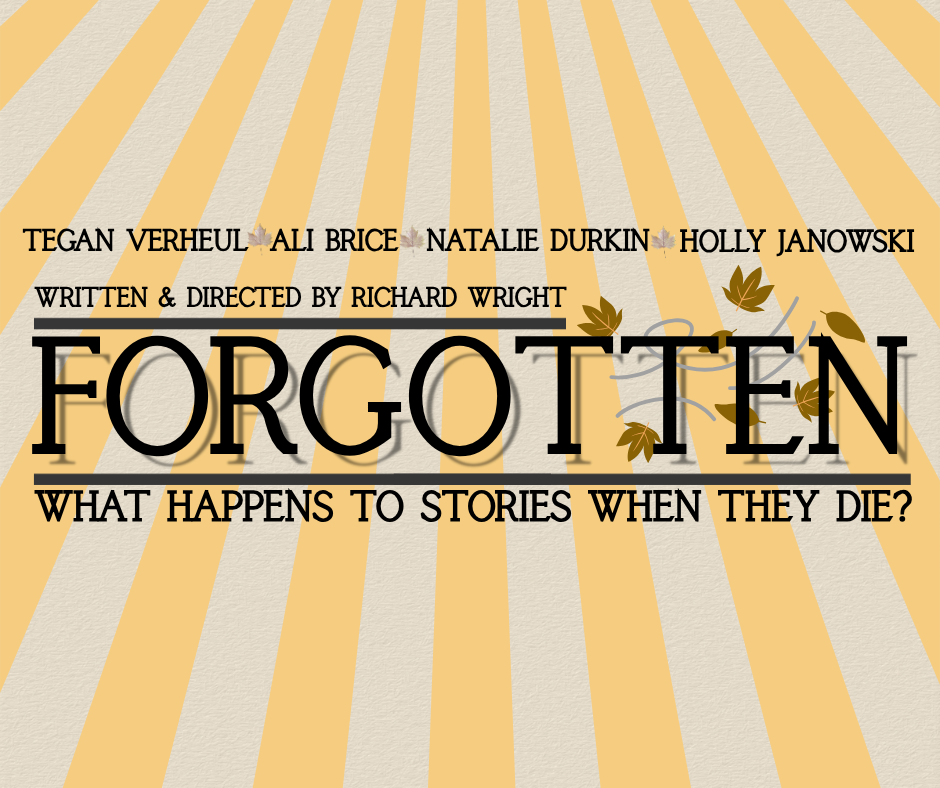
In this interview, I chat to Richard Wright about the production he has written, directed and produced, Forgotten.
Can you tell me a little about your show and what audiences can expect?
The show is called Forgotten and it’s about what happens to stories when they die. A story dies when there is no way left for it to be told and no one left who remembers it. Stories are everywhere all the time. From great stories to family members remembering when they went down the park and saw a big duck. I think what people can expect from this play is relatable characters in unrelatable circumstances. I think people can expect to laugh. I think people can expect to be moved and be ok with being sad at times in this play. You can’t tackle the subject of death, no matter what type, without it being sad.
What drew you to this specific story, and why does it belong at the Edinburgh Fringe?
What drew me to this story was the Edinburgh Fringe itself. The idea was born out of it and because of it. Every year at the Fringe, there are thousands and thousands of shows. There are great shows that are not seen by nearly enough people. When I first started coming to the fringe in 2014, the average audience for a show was 4. This play belongs on the fringe because it was born out of a passion for it. This show doesn’t just belong at the fringe, but, in part, it belongs to it. The Edinburgh Fringe is my happy place and my favourite thing in the world. I will never stop bringing shows of all types to it. This show in particular simply wouldn’t exist without it. I knew it had to be a part of the Edinburgh Fringe no matter the cost.
What has been the biggest challenge in bringing this production to life?
Speaking of cost. As with all art, it comes back to cost. Budget impacts every part of this. Even a very simple one-act play at the fringe. Being able to pay people for their time and work on this. The Edinburgh Fringe gets more and more expensive every year. A show in a small venue at the fringe can cost thousands to put on. I think a lot of people would be shocked at how much some shows cost to produce at the fringe. Even a stand-up show on the Free Fringe can cost a lot of money, I should know, I’ve done enough of them. But there is a beauty in those who come from all over the world with the attitude of let’s put on a show. The Fringe as a creative force is undeniable. All our challenges from venue, to casting, to rehearsals are made harder because of the finances involved.
How does the design of your show (set, sound, or lighting) impact the presentation of your story?
The show was designed to work in a very Edinburgh Fringe space. I wrote this specifically with the fringe in mind. I’ve been coming to the Fringe since 2014, and you sort of intrinsically know what a Fringe venue is like, so I wrote the play to work within it. I kept the set and technical side simple so the show could work in whatever size space we had. I wanted a small venue for this show to add to the feeling of being in an enclosed office setting. I love the venue we have, not only because it’s a genuine joy to work with Greenside, but because this new 21-seat Sprout Studio venue is in its first year and the show is very lucky to be a part of that.
If you could sum up the show in one word or phrase, what would it be and why?
A play you will never forget. Hopefully.
Forgotten runs from 7–15 August at 11:25 at The Sprout, Greenside on George Street (Venue 236), with tickets available at: https://www.edfringe.com/tickets/whats-on/forgotten


