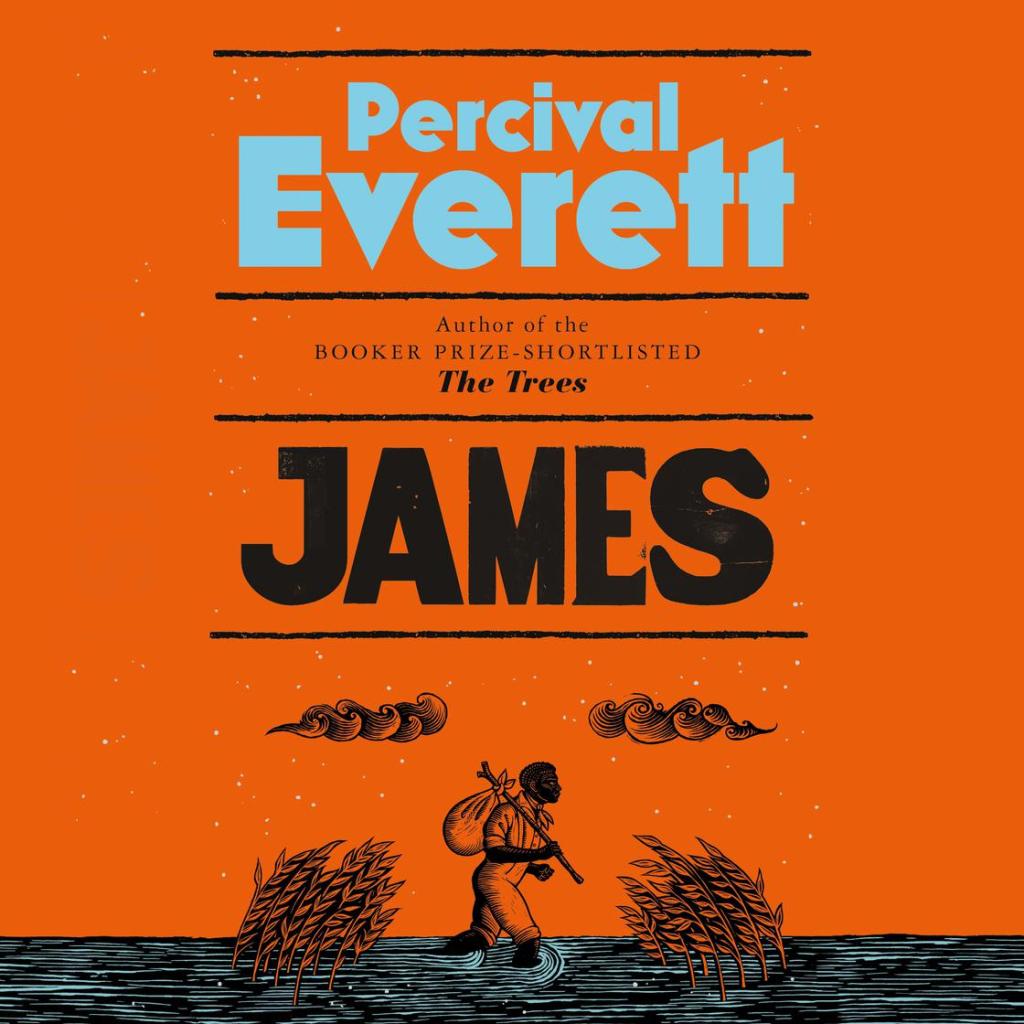
Few novels dare to wrestle with America’s literary canon and come out stronger for it. Percival Everett’s James does exactly that, taking Mark Twain’s The Adventures of Huckleberry Finn and reimagining it through the eyes of Jim, the enslaved man who has too long been relegated to the margins of the tale. The result is urgent, necessary, and deeply alive—a story that insists on Jim’s full humanity while exposing the brutal hypocrisies of the world he’s forced to navigate.
Everett’s most striking device is his exploration of code-switching. Jim and other enslaved characters, when among themselves, speak in sophisticated, fluent English, only slipping into a clumsy patois under the gaze of white characters. This linguistic sleight of hand is both provocative and thought-provoking, peeling back the mechanics of survival and deception within an oppressive society.
The novel also explodes Jim’s relationship with Huck, transforming what was once a tale of companionship into something richer and more fraught. Jim’s paternal characterisation shines here: he becomes a figure of care and guidance for Huck, even as his own family is denied to him through the violence of slavery. This detachment sharpens the poignancy of his role, placing Jim in an isolated position—not fully able to nurture those he has lost, and not fully accepted in caring for those around him, yet profoundly different in his instinct to protect.
From there the story unfolds through peril, absurdity, and moments of dazzling invention: Jim joins a minstrel band, survives an exploding steamboat, and even engages in imagined conversations with philosophers such as John Locke. These encounters allow Everett to stage biting debates on liberty, property, and humanity itself—subjects that expose the contradictions at the heart of Enlightenment thinking when applied to enslaved lives. While these philosophical passages can feel a shade too direct in their messaging, they combine powerfully with Jim’s code-switching to further sever this retelling from Twain’s original, pushing Jim into new intellectual and moral territory.
Though it begins as a slow burn, James builds into a gripping, explosive finale. By the end, Jim emerges not as a sidekick but as a commanding, assertive presence—an indelible reimagining that drags a classic into the present with wit, urgency, and power.











 Read About Stuff | London Theatre Reviews & Culture